01 — The short answer
Yes, PrEP works for women, with a few dosing differences.
PrEP for women is just as protective as it is for men when enough tablets are in your body, but vaginal or front-hole sex needs a steadier routine than the on-demand schedule many men use.
The tablet is the same: tenofovir disoproxil with emtricitabine, usually a generic version. What changes is timing, because drug levels build more slowly in vaginal tissue.
This guide is for cis women, trans women and anyone who has receptive vaginal or front-hole sex. For prices, first-visit tests and how our PrEP service runs, see PrEP in Pattaya explained.

02 — Why timing differs
Why vaginal tissue needs a longer run-up.
Tenofovir reaches protective levels in rectal tissue within days, but it takes longer to build up in the cervix and vagina.
Older UK advice, still used by many clinics, asks for seven daily doses before you rely on PrEP. The US CDC says protection for receptive vaginal sex may take up to about 21 days of daily use.
UK guidance was updated in 2025 and relaxes some of these rules, while WHO and CDC advice stays more cautious. Because guidance still differs between countries, your doctor will tell you which rule applies to you, and condoms cover the gap until then.

03 — Daily or on demand
On-demand dosing: why 2-1-1 is not for you here.
On-demand PrEP for women is not the standard approach: the short 2-1-1 schedule is not recommended for receptive vaginal or front-hole sex.
2-1-1 stops two days after sex, and vaginal tissue simply hasn’t had long enough to reach and hold protective levels. WHO and CDC guidance favour daily tablets for women. Newer UK guidance describes some event-based options, so agree any change to your routine with your doctor first.
Daily vs on-demand PrEP for vaginal and anal sex
| Schedule | Receptive vaginal or front-hole sex | Anal sex |
|---|---|---|
| Daily tablet | Yes, the standard choice | Yes |
| 2-1-1 (double dose, then 1 and 1) | Not recommended | Yes, for some people |
| Stopping daily PrEP | Keep going 7 days after last sex | Ask your doctor |
On-demand dosing is not suitable if you have hepatitis B. If you take feminising hormones, your doctor will talk through which schedule fits the types of sex you have.

04 — Which tablet
TDF or TAF: which tablet suits you.
For anyone who has receptive vaginal sex, the older tablet containing tenofovir disoproxil (TDF) is the one to use.
The newer combination with tenofovir alafenamide (TAF), sold as Descovy, was never tested for protection during receptive vaginal sex. The CDC therefore advises TDF-based PrEP for people assigned female at birth, and TAF is not approved for that use. Generic TDF tablets are widely available in Thailand.
TAF can still suit some people with kidney or bone concerns, and we compare the two tablets in our guide to PrEP side effects.

05 — Your body, your plans
Birth control, hormones and pregnancy.
PrEP and birth control work together without cancelling each other out, and PrEP can be continued during pregnancy and breastfeeding.
The CDC reports no known interactions between PrEP and the pill, patch, ring, implant, contraceptive injection or IUD. PrEP does not prevent pregnancy, so keep your usual method. i-Base notes that feminising hormones and PrEP do not lower each other’s levels.
PrEP with contraception, hormones and pregnancy
| Situation | Can you use PrEP? | Good to know |
|---|---|---|
| Pill, patch, ring, implant, IUD | Yes | Both keep working as usual |
| Feminising hormones | Yes | Hormone and PrEP levels stay unaffected |
| Trying to conceive | Yes, daily | Useful if a partner’s status is unknown |
| Pregnant | Yes | Tell us so we adjust your checks |
| Breastfeeding or chestfeeding | Yes | Only tiny amounts reach breast milk |
WHO guidance supports offering and continuing tablet PrEP during pregnancy and breastfeeding for women who may be exposed to HIV. We plan your pregnancy test and reviews with you.
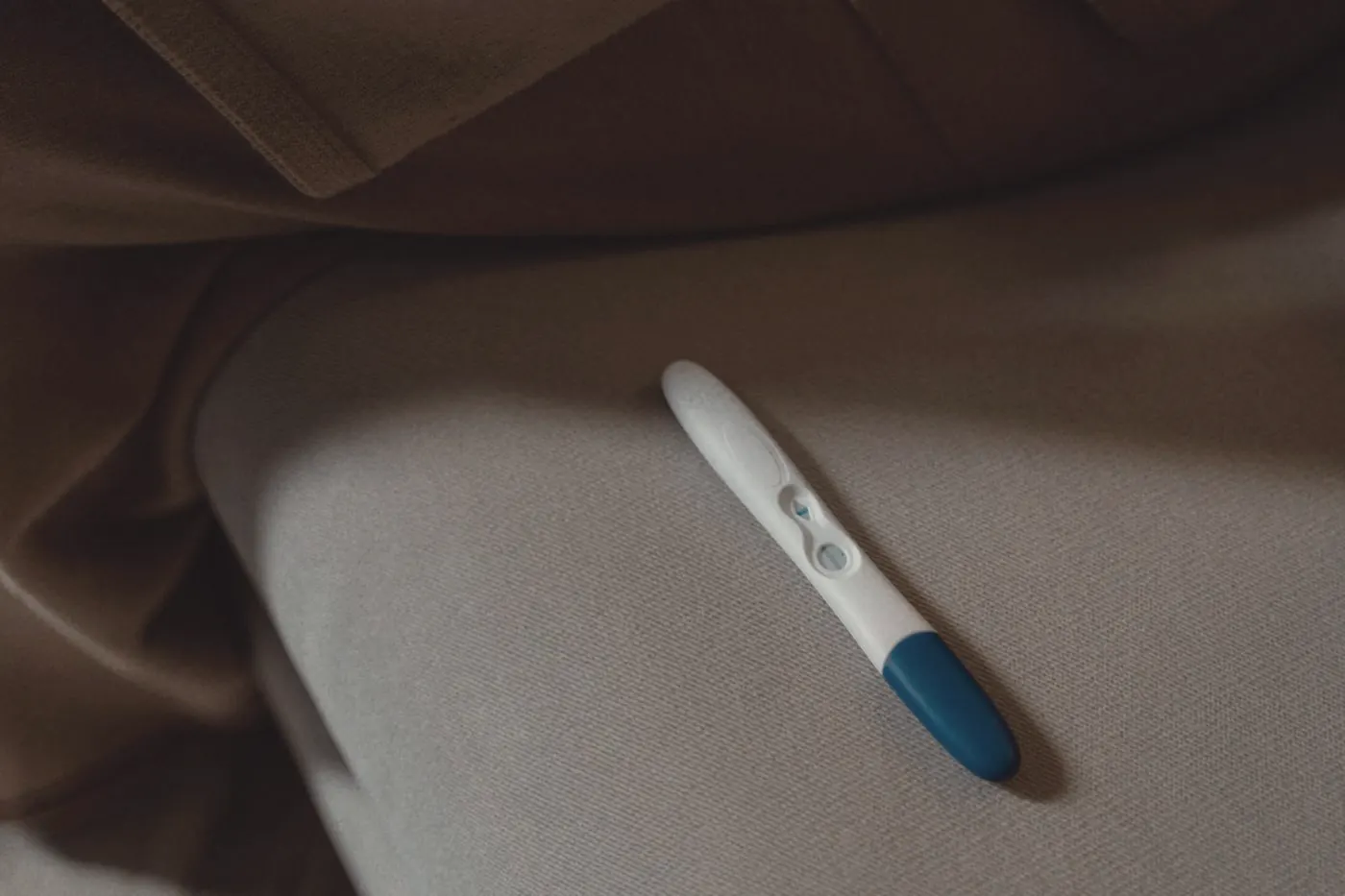
06 — Feeling well on it
Side effects and the checks that matter.
PrEP for women side effects are the same as for anyone: mild nausea, bloating or headache in the first weeks, usually settling within a month.
Taking the tablet with food or at bedtime helps many people. Kidney and bone checks are part of long-term care.
PrEP does not protect against chlamydia, gonorrhoea or syphilis, and some of these cause no symptoms in women. Pair each three-monthly HIV test with an STI test in Pattaya so infections are caught early.

07 — After a recent exposure
PEP for women when PrEP wasn’t in place.
If you had condomless sex in the last 72 hours and weren’t already protected, PrEP is the wrong tool: you need PEP, started as soon as possible.
PEP for women is a 28-day course of HIV medicines, and it can be used during pregnancy. Our overview of what HIV PEP is explains how the course works. PEP does nothing for pregnancy risk, so emergency contraception is a separate, urgent step, and a pregnancy test about three weeks later tells you where you stand.
PrEP or PEP: which fits your situation
| Your situation | What usually fits | Timing |
|---|---|---|
| Condomless sex in the last 72 hours | PEP, plus emergency contraception if needed | Today, ideally within 2 hours |
| Ongoing sex with partners of unknown status | Daily PrEP | After an HIV test |
| Partner living with HIV, undetectable | PrEP optional | Talk it through with us |
| Finishing a PEP course, risk continues | Switch straight to PrEP | Day after the last PEP dose |
Our step-by-step guide on what to do if a condom breaks covers emergency contraception options in Thailand. To see where you are in the 72 hours, check the 72-hour PEP window, and the page on HIV risk per exposure puts vaginal sex in context.
08 — Starting in Pattaya
Starting PrEP here: what to bring and ask.
PrEP is a prescription medicine in Thailand, so it starts with a short consultation, an HIV test and a few checks.
- Your contraception and hormones. Bring names and doses so the doctor can confirm there are no clashes.
- Pregnancy plans. Say if you are pregnant, trying or breastfeeding.
- The sex you have. Vaginal, front-hole or anal: it decides your schedule.
Tablets are not the only option in the world. UNAIDS reports that the WHO backed a monthly vaginal ring for women in 2021, and several countries in the region are preparing to introduce it. If pills are hard for you, ask us about long-acting options.
If you are weighing the two approaches, our comparison of PEP vs PrEP in practice helps. When you’re ready, call, LINE or WhatsApp us and we will book a confidential visit.
Questions
PrEP for women: quick answers.
Written by the HIV PEP Pattaya team, based on CDC, WHO and UK (BHIVA/BASHH) guidance. Last updated 29 September 2026.
Is PrEP different for women than for men?
The medicine is the same, and it protects just as well when taken correctly. The difference is dosing: receptive vaginal or front-hole sex usually needs daily PrEP, because drug levels build more slowly in vaginal tissue.
Can women use on-demand PrEP?
Not the 2-1-1 schedule for receptive vaginal sex. WHO and CDC favour daily dosing for women, and newer UK guidance differs in detail, so agree a plan with your doctor.
Can I take PrEP while pregnant or breastfeeding?
Yes. WHO and CDC guidance support tablet PrEP in pregnancy and while breastfeeding, and only very small amounts reach breast milk.
Does PrEP affect birth control or hormone therapy?
No. PrEP and birth control, including the pill, implant, injection and IUD, work side by side. Feminising hormones and PrEP don’t weaken each other either.
What are the side effects of PrEP for women?
Usually mild stomach upset, bloating or headache in the first few weeks, fading within about a month. Regular kidney checks keep long-term use safe.
Is there a PrEP shot for women?
Long-acting PrEP given every few months is approved in some countries. It is not a confirmed service here, but ask us about long-acting options and what is realistic for you.

Pattaya, Thailand
Don’t wait until tomorrow.
Worried about a recent exposure? Talk to us now. It’s confidential, and the sooner you start, the better PEP works.