01 — The short answer
Three tests, one clear finish line.
An HIV test after PEP is planned in three steps: a baseline test when you start, a check at about 6 weeks and a final test at about 3 months (12 weeks) after the exposure.
The final HIV test after PEP should be a 4th generation laboratory blood test. That result, taken at the right time, is the one that tells you PEP did its job.
If you are still inside the first 72 hours after a new exposure, testing can wait: speak to a doctor about PEP first. After 72 hours PEP is generally not recommended, but testing and advice still matter.

02 — Day one
The baseline test: your starting point.
The first test, taken at your PEP visit, shows your HIV status before this exposure could show up.
It can’t tell you whether the recent encounter passed HIV on, because no test can detect an infection that is only hours or days old. What it does is rule out an earlier, undiagnosed infection, which would need full treatment rather than a 28-day course.
Guidelines agree the baseline test should never delay your first dose. At a clinic it is usually done on the same visit, as you can see in what happens at your PEP visit.

03 — During the course
Why early results aren’t the final answer.
PEP medicines work against HIV, so if an infection did take hold, they can hold it back and delay the point at which a test picks it up.
That is why an HIV test 4 weeks after PEP started, or on the day you swallow the last tablet, can be reassuring but isn’t conclusive. The CDC’s 2025 guidance notes that HIV medicines can delay seroconversion and make infection harder to detect.
This also explains the most common confusion: where the clock starts. UK advice counts the window from your last PEP dose, while US and Thai schedules count from the exposure. After a full 28-day course, both routes land at roughly the same place, around 10 to 12 weeks after the exposure.
Missed tablets don’t change the testing dates, but tell the clinic about them. Our guide on what to do after a missed PEP dose covers the rest.

04 — The guidelines
Three rulebooks, one practical plan.
The main guidelines differ in detail but agree on the essentials: a baseline test, a final laboratory test about 3 months after the exposure, and nothing routine after that.
How the main guidelines time your tests
| Guideline | Interim test | Final test | Test type |
|---|---|---|---|
| UK (BHIVA/BASHH, 2021) | Not routine | At least 45 days after the last dose, often at 12 weeks | 4th generation lab test |
| US (CDC, 2025) | 4–6 weeks after exposure | 12 weeks after exposure | Lab antigen/antibody plus RNA test |
| Thailand (national, 2021/22) | 1 month after exposure | 3 months after exposure | Anti-HIV blood test |
The UK guideline for HIV post-exposure prophylaxis sets the final test at a minimum of 45 days after the course ends, about 10.5 weeks after exposure, and allows it at 12 weeks to line up with a syphilis check.
In practice, a test at about 6 weeks and a final one at about 3 months satisfies all three.

05 — Your schedule
Your dates, written down in advance.
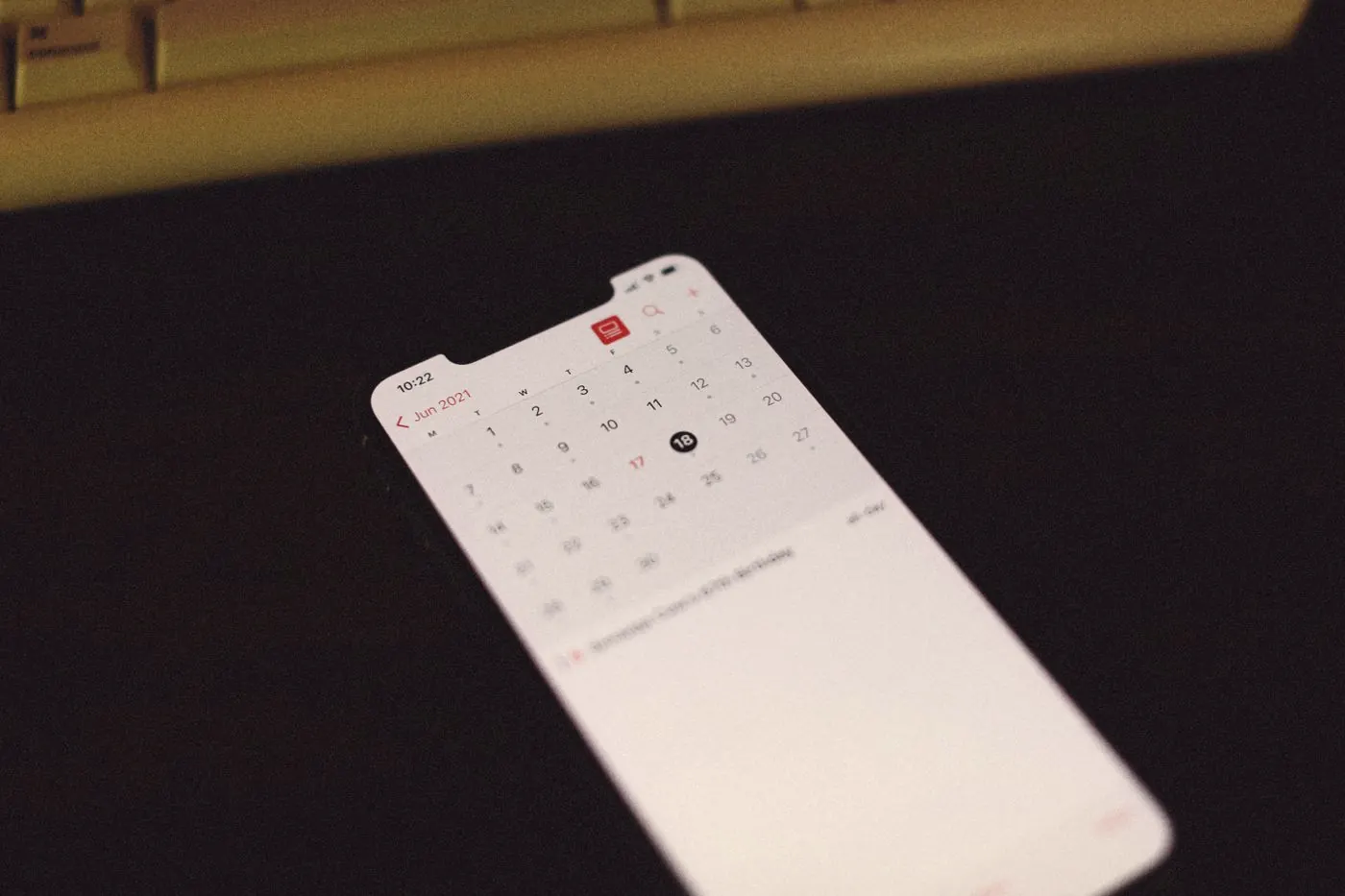
Put these dates in your phone on day one, counted from the exposure.
Your HIV testing plan around PEP
| When | Test | Why |
|---|---|---|
| Day 1, at your PEP visit | Rapid or lab HIV test | Confirms your starting status |
| End of the course, about 4 weeks | Lab test, if advised | Useful before switching to PrEP |
| About 6 weeks | 4th generation lab test | An early, strong reassurance |
| About 12 weeks (3 months) | 4th generation lab test | The final result for this exposure |
An HIV test 6 weeks after PEP started is meaningful, but on the UK count it falls only about two weeks after the last tablet. Keep the 3-month appointment even if the 6-week result is negative.
Add a syphilis and STI check at the same visits, since PEP only protects against HIV. Our guide to STI testing in Pattaya explains the timings.
06 — Test types
Rapid, lab or PCR: matching the test to the moment.
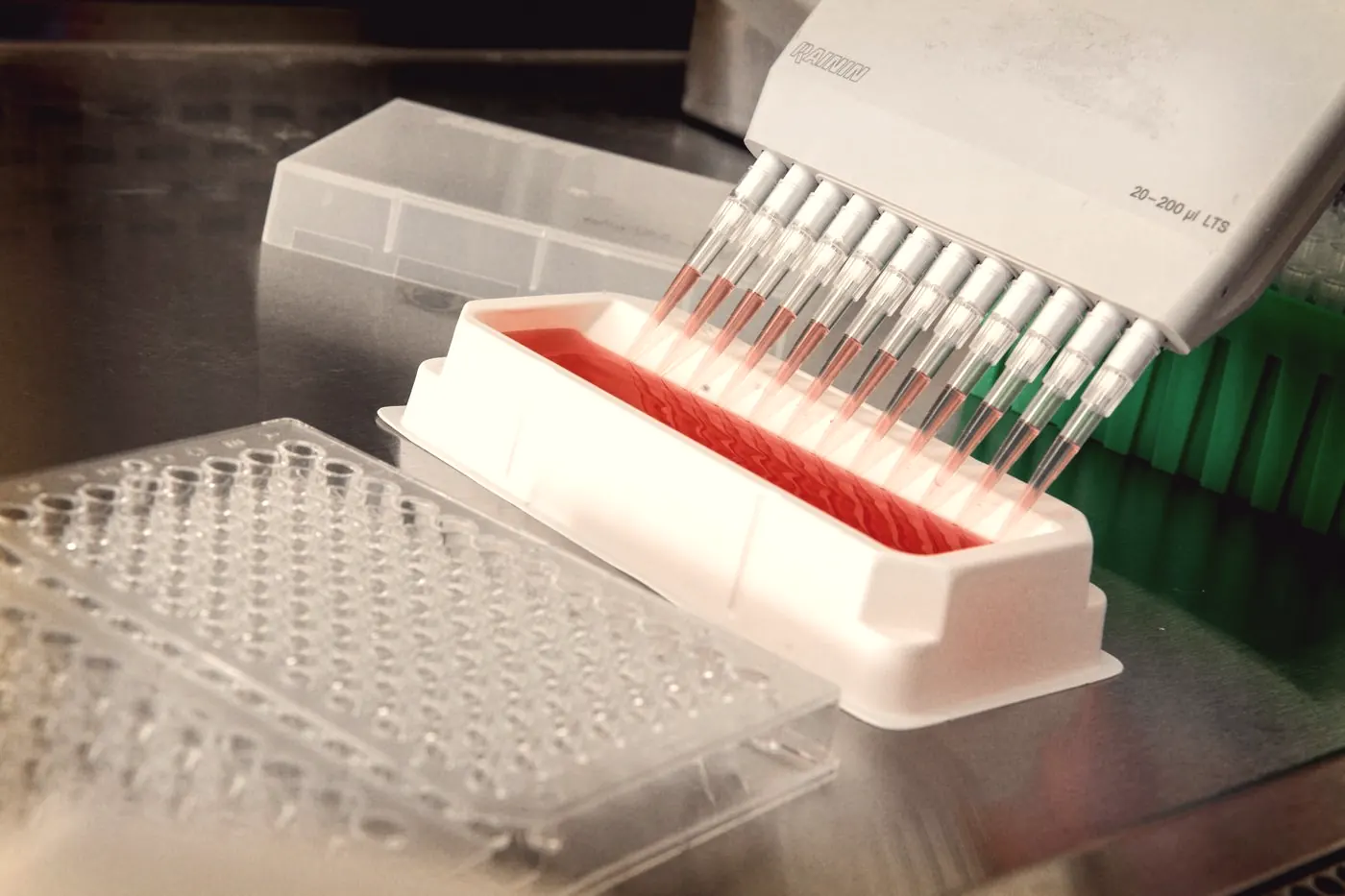
For the final result, ask for a 4th generation HIV test after PEP, taken from a vein and run in a laboratory.
Which test at which point after PEP
| Test | Role after PEP | Limits |
|---|---|---|
| Finger-prick rapid test | Quick baseline check | Less sensitive to very recent infection |
| 4th generation lab test | Follow-up and final test | Needs the full waiting time |
| PCR (RNA) test | Extra check if advised | Can be suppressed while on PEP |
| Oral-swab self-test | Not for PEP follow-up | Antibody-only, slower to turn positive |
An HIV PCR test after PEP is not a shortcut. The CDC pairs it with the lab test at follow-up rather than using it alone.
On accuracy, HIV i-Base says a 4th generation test six weeks after your last PEP dose gives a final answer, while antibody-only tests need eight weeks. The window periods and prices for each test are on our main page about HIV testing in Pattaya.
07 — Your result
What a result tells you, and what comes next.
Most follow-up results after PEP are negative, and every result comes with a clear next step.
What each result means
| Result | What it means | Next step |
|---|---|---|
| Negative, before 6 weeks | Reassuring, not final | Keep the later dates |
| Negative at 6 weeks | A strong sign PEP worked | Book the 3-month test |
| Negative at 3 months | Final for this exposure | Done for this exposure; consider PrEP |
| Reactive | Needs confirmation | Confirmatory lab test and specialist care |
A reactive screening result is not a diagnosis on its own. If HIV is confirmed, early treatment works very well, and people who keep an undetectable viral load live long lives and do not pass HIV on through sex.
A flu-like illness or rash during or after the course needs a prompt check, although PEP side effects are far more common. Compare our guides to common PEP side effects and HIV symptoms after an exposure.
08 — After Pattaya
Testing at home, then staying protected.
Many visitors finish PEP abroad, so the follow-up tests usually happen at a sexual health clinic or GP back home.
- Take your medical summary, baseline result and the exact exposure date.
- Ask for a 4th generation laboratory HIV test, not an oral self-test.
- Book the 3-month test before you fly, so it doesn’t slip.
Our guide to taking PEP home as a tourist covers flights, tablets and paperwork. Until the final result, use condoms and avoid donating blood.
If you expect further risks, a negative test at the end of the course lets you move straight on to PrEP in Pattaya without a gap. The CDC notes that starting PrEP before the 12-week test carries a small chance of a false-negative result, so keep that appointment too. To book any follow-up test, call, LINE or WhatsApp us.
Questions
Testing after PEP: quick answers.
Written by the HIV PEP Pattaya team, based on BHIVA/BASHH and CDC guidance. Last updated 29 September 2026.
When is an HIV test conclusive after PEP?
A 4th generation lab test at about 12 weeks after the exposure is treated as final. UK guidance accepts it from 45 days after your last PEP dose.
Is an HIV test 4 weeks after PEP reliable?
It is a useful check, especially before starting PrEP, but it isn’t final. PEP can delay when an infection shows up, so keep your later tests.
Is a 4th generation test at 6 weeks after PEP enough?
Six weeks after the last dose, yes, by UK practice. Six weeks after the exposure falls too soon after the course, so plan a 3-month test as well.
Do I need an HIV PCR test after PEP?
Not routinely. It is an extra check if you have symptoms, are starting PrEP or your doctor follows the US schedule, alongside a lab test.
Do I need to test at 6 months?
Usually not. Current UK and US guidance stops at about 3 months unless there were further exposures. If PEP might not have worked, our page on whether PEP can fail explains the reasons.

Pattaya, Thailand
Don’t wait until tomorrow.
Worried about a recent exposure? Talk to us now. It’s confidential, and the sooner you start, the better PEP works.