01 — The short answer
Yes, visitors can get PEP: here is how it works.
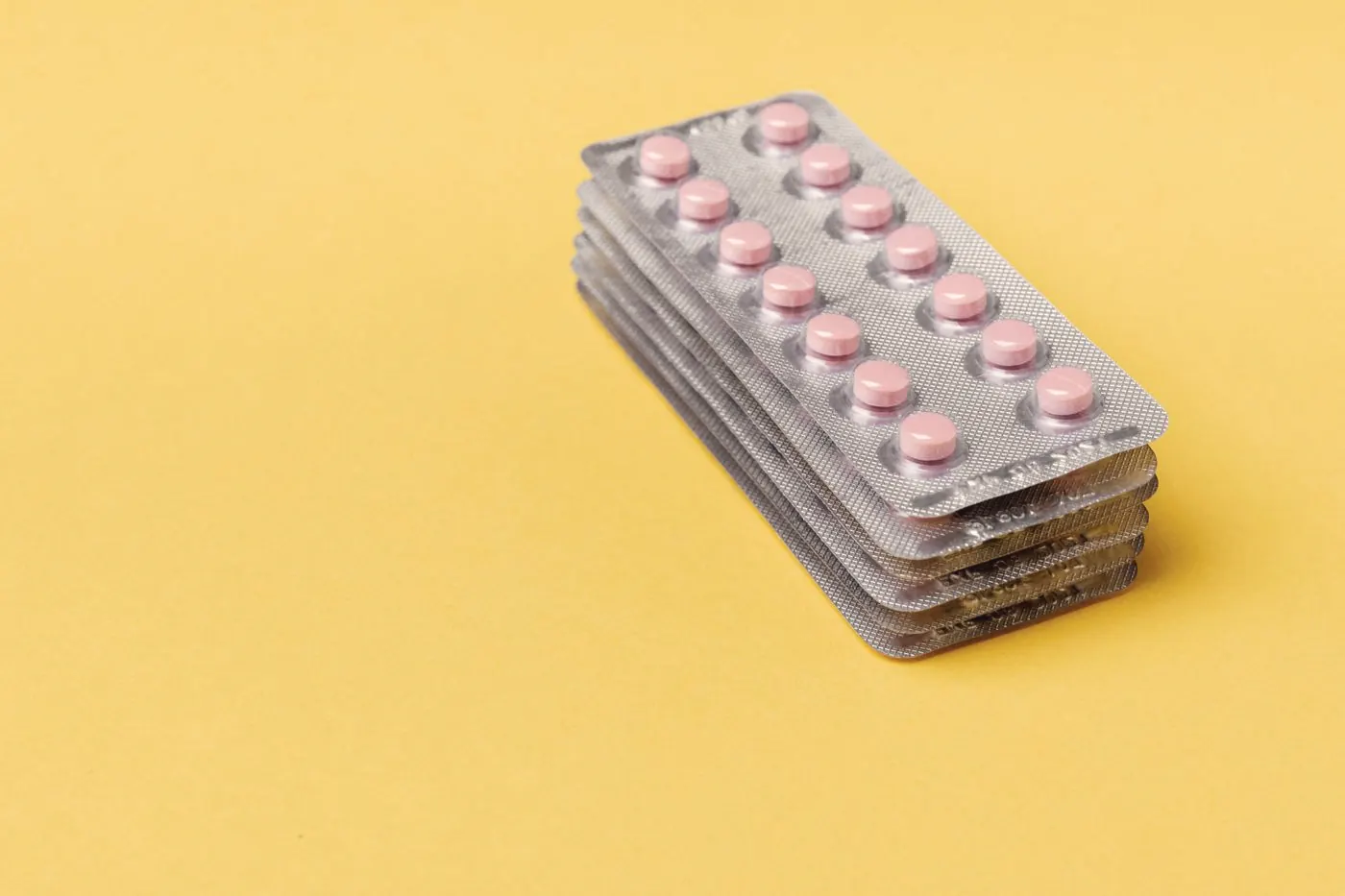
PEP for tourists works the same way as it does for residents: see a doctor, start the medicine and take it every day for 28 days, even if you fly home before the course ends.
HIV PEP in Thailand is a prescription medicine, and private clinics routinely treat visitors without being a Thai resident or holding Thai insurance. What matters most is time. PEP must start within 72 hours of the exposure and works best within 2 hours, so a short stay is never a reason to wait.
Below are the parts that differ for travellers. If the exposure has only just happened, start with what to do if a condom breaks and check how much of the 72-hour PEP window is left.
02 — Before you fly
Leaving soon? Start first, pack later.
A flight in two days is a reason to come in today, not a reason to skip PEP.
Your first dose is the urgent part, and the rest of the course travels with you. At a private clinic, one visit usually covers the consultation, a baseline HIV test and the full supply to take away. You can see each step in what happens at your PEP visit in Pattaya.
Your PEP plan by departure date
| If you leave Thailand… | What to do now | What to ask for |
|---|---|---|
| Within 1–3 days | Get seen today and take the first dose before you leave the clinic | The full 28-day supply and a written medical summary |
| Within the 28 days | Start here, then keep the same daily time as you travel | A summary your home doctor can read, plus follow-up dates |
| After the 28 days | Start here and finish the course in Thailand | A check-in during the course and your first follow-up test plan |
| Already home, under 72 hours | Go to an emergency department or sexual health clinic at home | Tell them the exact time of the exposure |
03 — On the plane
Flights and time zones: keeping doses on track.
You can fly while taking PEP; the only thing to plan is the timing of each dose.
Long-haul flights home can cross many time zones. The CDC’s advice on travelling abroad with medicine is to take doses according to the time since your last one, not the local clock. In practice, that means keeping close to a 24-hour gap between tablets.
- Set a phone alarm on Thai time before you board, so the plane’s clock doesn’t confuse you.
- Once home, move your dose time gradually, by an hour or two a day, towards a time that suits you.
- Keep one day’s tablets in your pocket in case your bag is out of reach during boarding or a delay.
Alcohol and sleeping tablets on a long flight make a missed dose more likely.
04 — Your tablets
Carrying PEP in your hand luggage.
Personal quantities of prescribed medicine are generally fine to carry, as long as they are clearly yours.
The same CDC travel guidance recommends keeping medicines in their original labelled packs, carrying copies of prescriptions with the generic names and packing them in hand luggage. A 28-day PEP supply is a normal personal quantity. If you change planes elsewhere, check that country’s rules too.
What to take home with you
| Item | Why it helps |
|---|---|
| Tablets in the original labelled pack | Shows border staff the medicine is prescribed to you |
| Prescription or medical summary | Lists generic drug names, dose and start date for any doctor |
| Baseline test results | Your home clinic can compare them with later tests |
| Follow-up dates in writing | Makes it easy to book tests as soon as you land |
| Receipt with itemised costs | Needed if you decide to claim on travel insurance |
05 — Back home
Finishing the 28 days away from Thailand.
Keep taking one dose a day until the pack is finished, even if you feel completely well.
PEP only protects fully when the whole course is taken, and a return to normal routine makes it easy to forget. Tie your dose to a daily habit, such as breakfast.
- Missed a dose: take it as soon as you remember, then carry on at your usual time.
- Lost or ran out of tablets: message us straight away and show your medical summary to a sexual health clinic or GP at home, as HIV medicines abroad are also prescription-only.
- Feeling unwell: don’t stop on your own; ask us or a local doctor first.
Everyday questions about the course are covered in our PEP questions and answers.
06 — Follow-up tests
Follow-up tests with your home doctor.
PEP greatly reduces the chance of HIV but can’t rule it out completely, so follow-up testing completes the treatment.
Tests are usually done around 6 weeks and 3 months after the exposure, depending on the test used. Most travellers book these with a sexual health clinic or family doctor at home, using the summary from Thailand. If you are still here, or come back, you can have them done with us instead through our HIV testing in Pattaya.
Follow-up testing at home vs in Thailand
| Point | At home | In Thailand |
|---|---|---|
| Who does it | Sexual health clinic or GP | The clinic that prescribed your PEP |
| What they need | Your medical summary and exposure date | Your records are already on file |
| Other checks | Ask for syphilis and hepatitis tests too | STI screening can be added on the day |
| Next steps | They can talk to you about PrEP locally | We can discuss PrEP if you plan to return |
07 — Paying and insurance
Travel insurance: what to check.
Some travel policies may cover PEP as emergency treatment, but it depends entirely on your insurer and the policy wording.
The UK government’s health advice for travellers to Thailand notes that hospitals ask for proof you can pay before treatment and that you should have adequate insurance. Most visitors pay the clinic directly and claim afterwards. Ask for an itemised receipt and a medical summary, because insurers usually want both.
Don’t delay starting PEP while you wait for an insurer to reply, as the 72-hour window keeps running. For typical private prices, see our guide to PEP cost in Pattaya.
08 — Language and privacy
Language, privacy and no judgement.
Many visitors worry more about being understood and judged than about the medicine itself.
At HIV PEP Pattaya, consultations are private and in English or Thai, so you can ask every question in plain words. Your visit and results stay confidential, and you decide who sees your medical summary.
Don’t hunt from shop to shop: buying PEP at a pharmacy in Thailand isn’t a legal option. If you travel often, PrEP before travelling to Thailand can mean you never need to race the clock again.
Tell us when the exposure happened and when you fly, and we will fit your visit around both. Call, LINE or WhatsApp us today.
Elsewhere in Thailand
PEP in Bangkok, Phuket or Hua Hin: start where you are.
If the exposure happened in Bangkok, Phuket or Hua Hin, get PEP in that city rather than travelling to Pattaya first. The 72-hour clock matters far more than which clinic you choose.
Bangkok is about two hours from Pattaya by road, and Phuket and Hua Hin are further. A journey spent waiting is time the medicine could already be working. Every large Thai city has private hospitals with emergency departments, and many also have sexual health clinics that see visitors.
Where to ask for PEP outside Pattaya
| Where you are | Where to go first | Useful to know |
|---|---|---|
| Bangkok | A private hospital emergency department or a sexual health clinic | Many clinics see walk-ins; call ahead to check they stock PEP |
| Phuket | A private hospital emergency department | Ask for HIV PEP by name and give the time of the exposure |
| Hua Hin | A private hospital emergency department | If a clinic is closed, the hospital is the faster route |
| On the road to Pattaya | The nearest hospital if you are close to 72 hours | Don’t let the journey use up the window |
Whichever city you are in, ask for the same things: a baseline HIV test, the first dose on the day and a written summary with the medicine names. That makes it simple to keep your PEP doses on schedule and to switch clinics part-way through.
You can start in one city and continue with us. Bring your pack and summary to Pattaya, and we can review the course and plan your HIV tests after PEP. If you are unsure whether you still have time, check the 72-hour PEP window or message the clinic team during opening hours.
Questions
Quick answers for travellers.
Written by the HIV PEP Pattaya team, based on CDC Travelers’ Health guidance. Last updated 29 September 2026.
Can tourists get PEP in Thailand?
Yes. Private clinics and hospitals provide post exposure prophylaxis in Thailand to visitors, usually in a single visit. You need a doctor’s prescription, and PEP must start within 72 hours of the exposure.
Do I need a Thai ID or Thai insurance for PEP?
No. You don’t need to be a Thai resident or have Thai insurance to get PEP at a private clinic. Bring your passport if you have it with you, and ask us if you’re unsure what to bring.
Can I fly while I’m taking PEP?
Yes. Keep your tablets in hand luggage and take each dose about 24 hours after the last one, whatever the local time. Adjust your dose time gradually once you arrive.
Can I bring PEP tablets home through customs?
Personal quantities of prescribed medicine are generally allowed. Keep the tablets in the original labelled pack with your prescription or medical summary, and check the rules of any country you transit.
What if I run out of PEP abroad?
Message us straight away and contact a sexual health clinic or emergency department at home with your medical summary. They can see exactly what you were taking and help you finish the course.
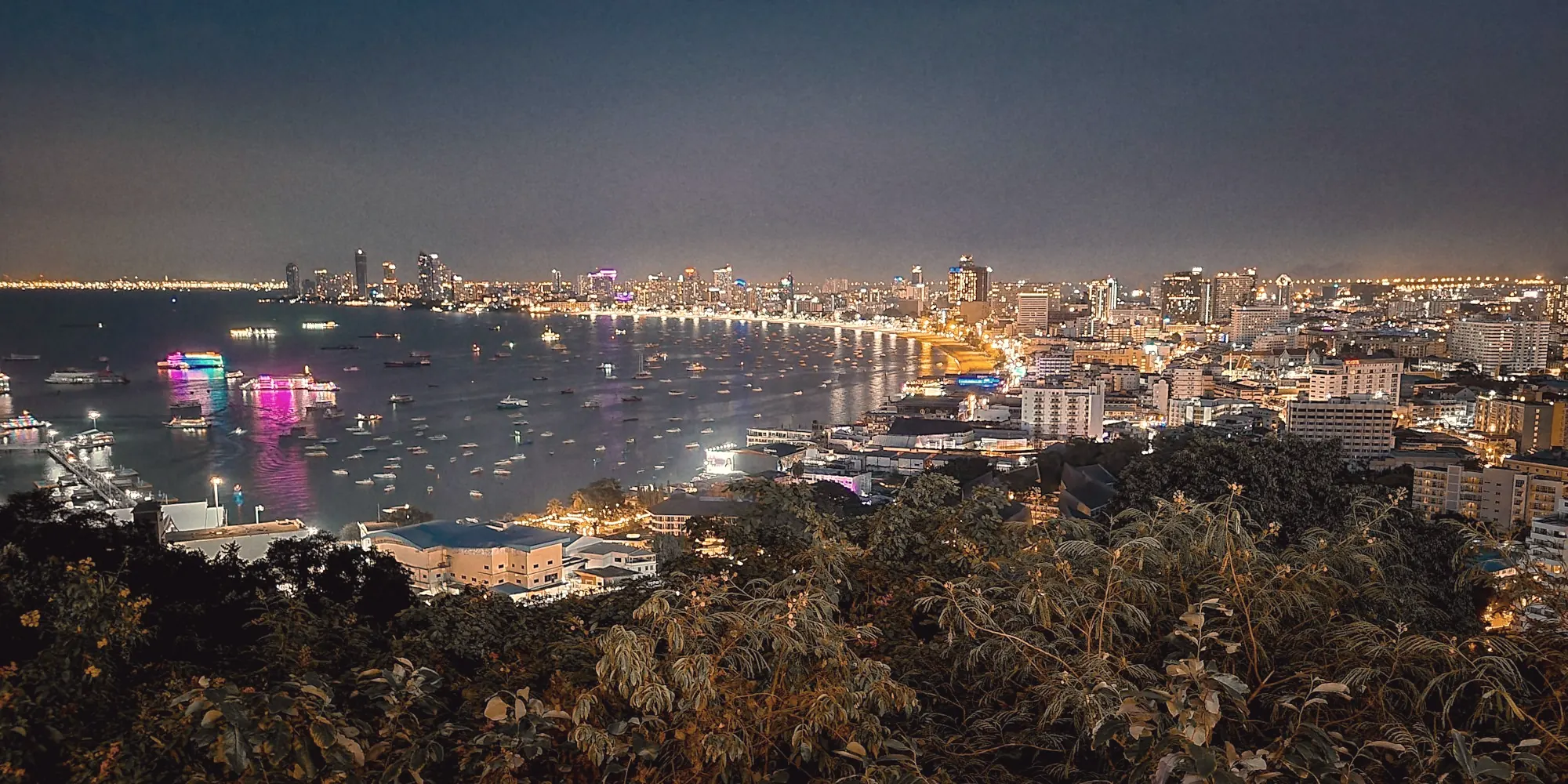
Pattaya, Thailand
Don’t wait until tomorrow.
Worried about a recent exposure? Talk to us now. It’s confidential, and the sooner you start, the better PEP works.