01 — The short answer
A needle went in. Here is what matters now.
Whether you need PEP after a needlestick depends on where the needle came from, and the decision has to be made within 72 hours, ideally within a few hours.
Most needlestick injuries never lead to HIV, and many don’t need PEP. But hepatitis B and C spread more easily than HIV, so every injury deserves first aid and a doctor’s view.
This guide is for carers, cleaners, tattoo clients and anyone who stepped on a needle on the beach. For the basics, see what HIV PEP is and how it works.
02 — The first ten minutes
Needlestick first aid: simple and gentle.
Washing the wound straight away is the one thing you can do yourself, and it takes less than five minutes.
- Hold the wound under running water and let it bleed gently on its own.
- Wash it well with soap and water, without scrubbing.
- If blood splashed into your eyes, nose or mouth, rinse with plenty of clean water and don’t swallow it.
- Pat the skin dry and cover it with a waterproof plaster.
- Call a doctor now, and report it to your employer if it happened at work.
The UK Health and Safety Executive sets out this routine in its guidance on needlestick and sharps injuries.
Needlestick first aid: do and don’t
| Situation | Do | Don’t |
|---|---|---|
| The wound | Let it bleed gently under running water | Squeeze hard or suck it |
| Cleaning | Soap and water | Bleach or harsh chemicals |
| The needle | Leave it or drop it in a sharps bin | Carry it around to show someone |
| Next step | Get medical advice the same day | Wait to see if symptoms appear |
03 — The real numbers
Needle stick injury HIV risk is lower than most people fear.
Even with HIV-positive blood on the needle, infection is uncommon.
The CDC puts the average risk at 0.3%, about 1 in 300, after a needlestick or cut with HIV-infected blood. The UK BHIVA/BASHH guideline gives 1 in 333 when the source person is not on effective HIV treatment.
HIV, hepatitis B and hepatitis C risk after a needlestick
| Virus | Risk if the source is infected | Source of figure |
|---|---|---|
| HIV | About 0.3% (1 in 300 to 1 in 333) | CDC; BHIVA/BASHH 2021 |
| Hepatitis B | 6–30% if you aren’t immune; virtually none if vaccinated and immune | CDC |
| Hepatitis C | About 1.8% | CDC |
These figures assume the blood was infected, so most real injuries carry far less. The HIV risk rises with a deep injury, visible blood on the device, a needle that had been in a vein or artery, and a high viral load in the source. For other situations, compare our guide to HIV risk per exposure type.
04 — The decision
Should I take PEP after a needlestick injury? It depends on the source.
A doctor weighs who used the needle, how deep it went and how fresh the blood was.
The UK guideline recommends PEP when the source person has HIV and isn’t on treatment with an undetectable viral load. If their status is unknown, PEP is usually not advised unless something raises the risk, such as a deep injury.
Which needlestick situations need PEP
| Situation | HIV PEP usually | Also check |
|---|---|---|
| Source has HIV, not on effective treatment | Recommended | Hepatitis B and C |
| Source on treatment, undetectable for 6+ months | Generally not needed | Hepatitis B and C |
| Source unknown, deep or bloody injury | Discussed case by case | Hepatitis B and C |
| Discarded needle in a public place | Not recommended | Hepatitis B and C |
When to start PEP after a needlestick is simple: as soon as possible, and no later than 72 hours. Our page on the 72-hour PEP window explains why every hour counts.
05 — Beaches and streets
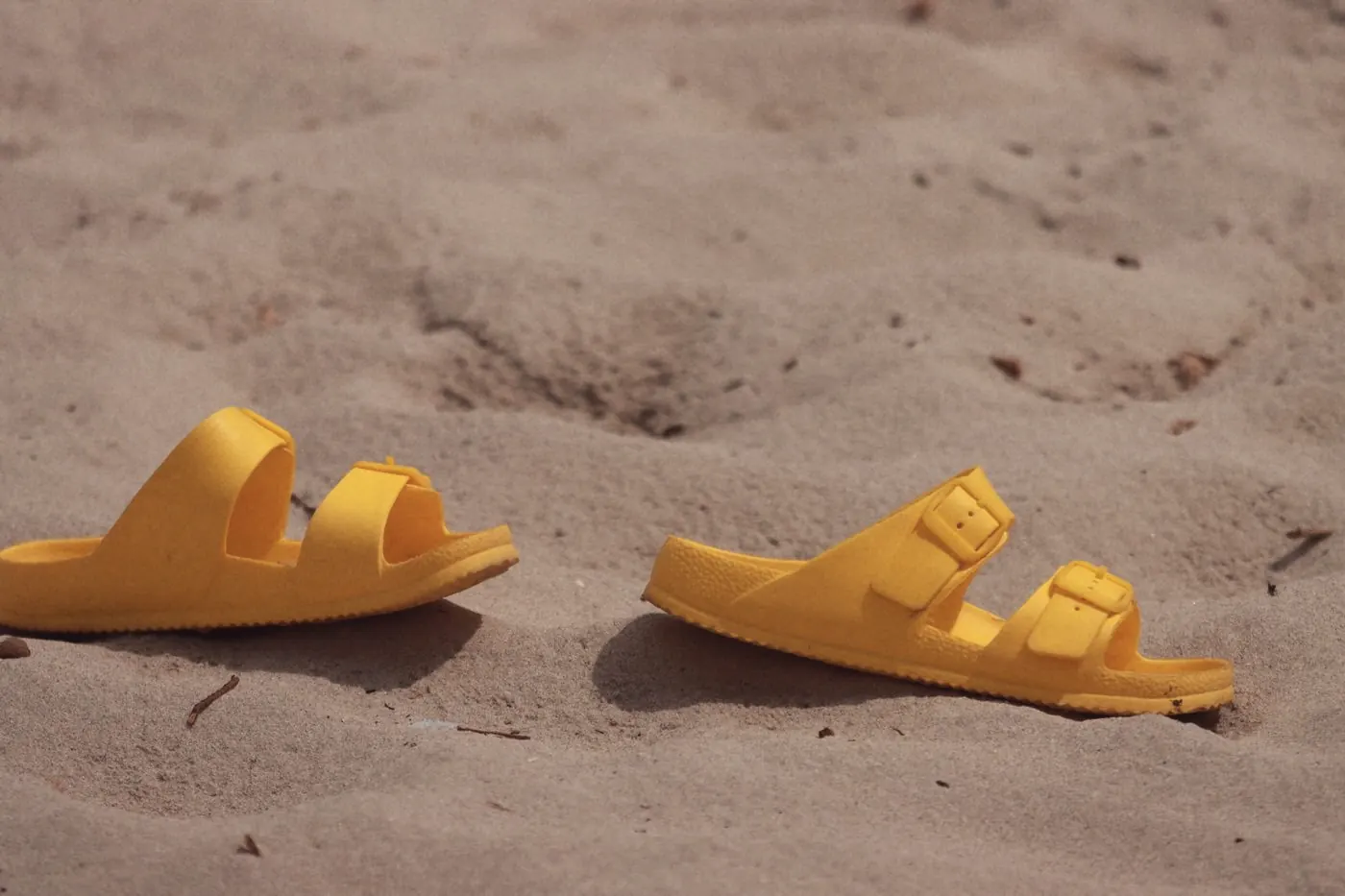
Stepped on a discarded needle? Breathe first.
A needle on the sand or in a bin is frightening, but it is one of the lowest-risk situations for HIV.
The BHIVA/BASHH guideline notes that there have been no reported cases of HIV passed on through community needlesticks. Once blood dries, HIV stops being able to infect within a couple of hours. For these reasons, HIV PEP is not usually recommended.
Hepatitis B and C are hardier, and a handful of infections have been reported this way. So still get a check, even if you won’t need HIV medicine.
06 — The other viruses
Hepatitis B and C: the part people forget.
Your hepatitis B vaccination history matters more after a needlestick than almost anything else.
The WHO notes that hepatitis B spreads through needlestick injuries, tattooing and piercing, and that the vaccine gives nearly complete protection. If you have never been vaccinated, a first dose soon after the injury helps. UK guidance says that where hepatitis B immunoglobulin is also needed, it should be given with or within 24 hours of that dose, and not more than seven days after the exposure.
There is no vaccine for hepatitis C, so the plan is testing, and treatment today works very well if it is ever needed. We offer hepatitis B and C blood tests; for hepatitis B vaccination or immunoglobulin, ask us and we will tell you where to get it quickly.
07 — Ink and piercings
Can you get HIV from a tattoo? Very unlikely with sterile kit.
Tattoo HIV risk comes from reused equipment, not from the ink or the tattoo itself.
The CDC says there are no known cases of anyone getting HIV from tattoos or body piercings, though it is possible if the equipment or ink contains infected blood. Hepatitis B and C are the more realistic concern with poor hygiene.
Before you sit down in a studio in Thailand, check a few things:
- new needles opened from sealed packs in front of you
- fresh ink poured into single-use cups
- new gloves for every client, and a sharps container in use
- a clean, licensed studio rather than a beach stall
08 — After the first day
Workplace injuries and your follow-up tests.
If you were injured at work, follow your employer’s needlestick protocol as well as getting medical advice.
That usually means reporting it, asking whether the source person can be tested with consent, and involving occupational health. Testing the source should never delay a needed first dose.
Either way, expect baseline tests for HIV, hepatitis B and C, and a plan for repeat checks. Our guide to the HIV test after PEP sets out the timing, and STI testing in Pattaya covers hepatitis checks.
If you start treatment, you can find out what happens at your PEP visit and read about common PEP side effects. Our opening hours are limited, so if it is late at night, go to a hospital emergency department rather than waiting. Otherwise, call, LINE or WhatsApp us and tell us when the injury happened.
Questions
Needlestick questions, answered briefly.
Written by the HIV PEP Pattaya team, based on BHIVA/BASHH, CDC and WHO guidance. Last updated 29 September 2026.
Should I take PEP after a needlestick injury?
Only if a doctor judges the risk to be real, usually when the source person has HIV and isn’t on effective treatment. Discarded needles and most unknown sources don’t need HIV PEP, but they do need hepatitis checks.
When should I start PEP after a needlestick?
As soon as possible, ideally within a few hours. After 72 hours PEP is generally not recommended, but testing and advice still matter.
How effective is PEP after a needle stick injury?
Started early and taken for all 28 days, it greatly reduces the chance of HIV taking hold, but it can’t remove the risk completely.
Can you get HIV from a tattoo?
There are no known cases, according to the CDC. The theoretical risk comes from reused needles or ink, so sterile, single-use equipment protects you.
Can you get HIV from a needle on the beach?
No cases of HIV from community needlesticks have been reported in UK guidance, and HIV dies quickly in dried blood. Clean the wound and get a hepatitis B and C check.

Pattaya, Thailand
Don’t wait until tomorrow.
Worried about a recent exposure? Talk to us now. It’s confidential, and the sooner you start, the better PEP works.